
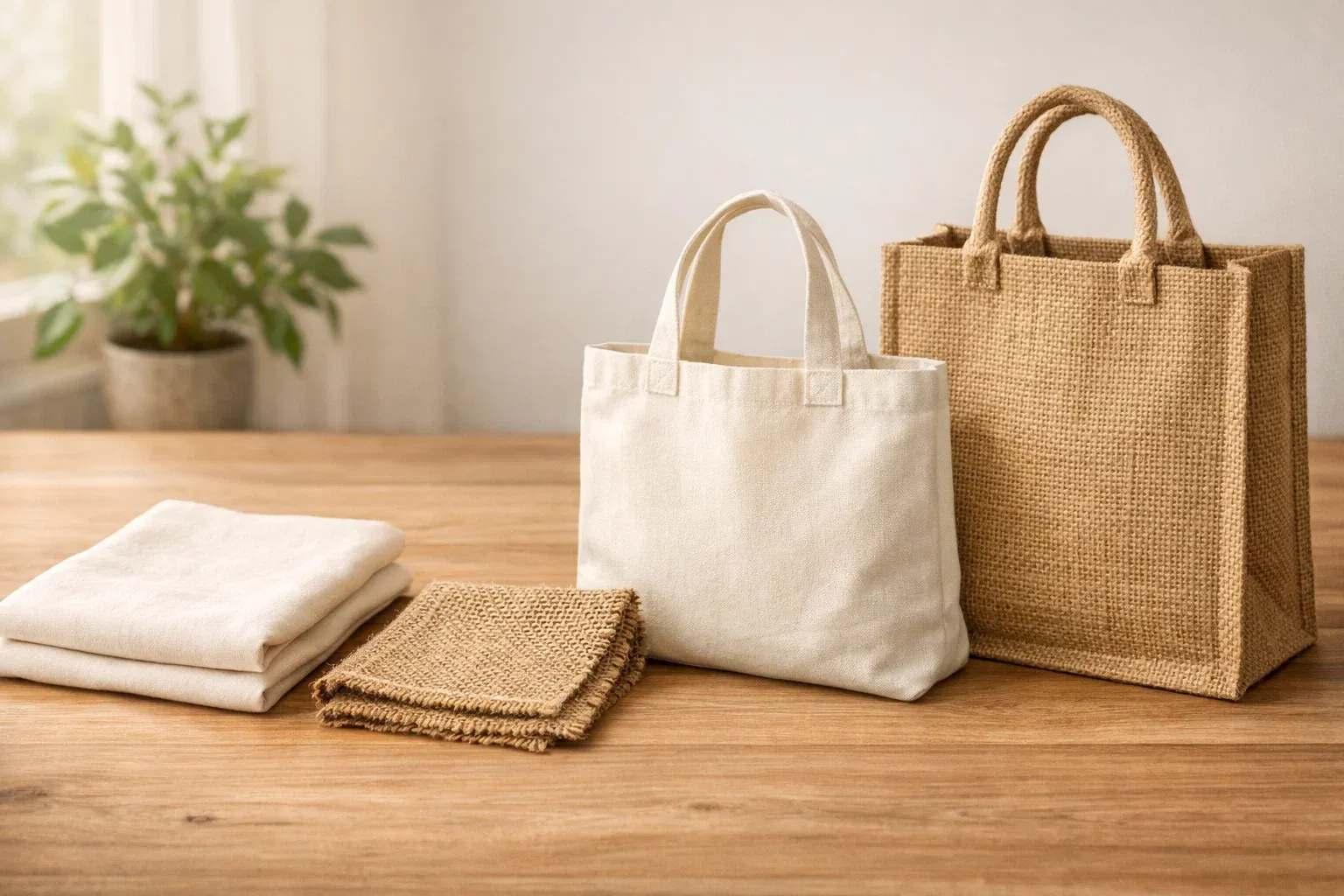
Why Eco Friendly Bag Material Matters in 2026
As sustainability becomes a priority for consumers, brands, and governments, choosing the right eco friendly bag material is no longer optional. It directly impacts environmental footprint, product durability, recyclability, and brand perception.
With AI-driven search engines prioritizing concise and structured answers, understanding sustainable bag materials is critical for both shoppers and businesses.
This guide breaks down the most popular eco friendly bag material options, comparing their environmental benefits, durability, and best use cases.
What Makes a Bag Material Eco Friendly?
Before comparing materials, let’s define what qualifies as an eco friendly bag material.
An ideal sustainable material should be:
-
Biodegradable or compostable
-
Recyclable or made from recycled content
-
Durable and reusable
-
Produced with low water and energy consumption
-
Free from toxic chemicals
Materials that meet most of these criteria rank higher in sustainability and consumer trust.
1. Cotton: The Classic Sustainable Choice
Why Cotton Is Popular
Cotton is one of the most widely used eco friendly bag materials. It is natural, biodegradable, breathable, and highly versatile.
Organic vs Conventional Cotton
-
Organic cotton uses less water and avoids harmful pesticides
-
Conventional cotton can have a higher environmental footprint
Specifying organic cotton as an eco friendly bag material increases topical authority and strengthens sustainability positioning.
Best For
-
Reusable shopping bags
-
Promotional tote bags
-
Everyday carry bags
Cotton performs well in durability and print quality, making it ideal for branding.
2. Jute: The Durable Biodegradable Fiber
Why Jute Is Gaining Popularity
Jute is a fast-growing plant fiber that requires minimal fertilizers and pesticides. It is 100 percent biodegradable and compostable.
Environmental Advantages
-
Low carbon footprint
-
Grows quickly with little water
-
Strong and long-lasting
Jute is often considered one of the best eco friendly bag material options for heavy-duty use.
Best For
-
Grocery bags
-
Wine bottle carriers
-
Bulk shopping bags
Its coarse texture communicates sustainability instantly, which appeals strongly to eco-conscious buyers.
3. Canvas: Heavy-Duty and Long-Lasting
Canvas is typically made from cotton but woven more tightly for extra strength.
Why Choose Canvas?
-
Extremely durable
-
Washable and reusable
-
Ideal for long-term use
If longevity is your goal, canvas may outperform thinner cotton alternatives. Mentioning lifespan and reuse cycles strengthens AI Overview optimization.
4. Recycled Polyester (rPET): Turning Waste into Utility
Recycled PET is made from post-consumer plastic bottles.
Sustainability Benefits
-
Diverts plastic from landfills
-
Reduces virgin plastic production
-
Durable and water-resistant
While not biodegradable, rPET qualifies as an eco friendly bag material because it supports circular economy practices.
Best For
-
Foldable shopping bags
-
Travel bags
-
Waterproof promotional bags
5. Non-Woven Polypropylene: Lightweight and Reusable
Non-woven polypropylene can be eco friendly when reused multiple times.
Pros
-
Lightweight
-
Affordable
-
Durable for repeated use
Cons
-
Not biodegradable
-
Requires responsible disposal
For businesses focused on balancing budget and sustainability, this material remains a practical solution.
6. Hemp: The Premium Sustainable Fiber
Hemp requires very little water and grows quickly without pesticides.
Why Hemp Stands Out
-
Highly durable
-
Naturally antimicrobial
-
Biodegradable
Hemp is increasingly recognized as a high-performance eco friendly bag material for premium sustainable brands.
Comparison Table: Best Eco Friendly Bag Material by Use Case
| Material | Biodegradable | Durability | Best For |
|---|---|---|---|
| Organic Cotton | Yes | Medium | Everyday totes |
| Jute | Yes | High | Groceries and heavy items |
| Canvas | Yes | Very High | Long-term reusable bags |
| Recycled PET | No | High | Travel and foldable bags |
| Hemp | Yes | Very High | Premium sustainable bags |
How to Choose the Right Eco Friendly Bag Material
Ask these questions:
-
Is the bag for heavy or light use?
-
Do you need waterproof features?
-
Is compostability important?
-
Is this for branding or retail resale?
-
What is the expected lifespan?
Structuring content around user intent improves AI Overview visibility and voice search ranking.
FAQs
What is the most eco friendly bag material?
Jute and organic cotton are among the most eco friendly bag materials because they are biodegradable, renewable, and require fewer chemicals during production.
Are reusable bags better than plastic?
Yes. Reusable bags made from sustainable materials significantly reduce single-use plastic waste when used consistently.
Is recycled polyester eco friendly?
Recycled polyester is considered eco friendly because it reduces plastic waste and supports recycling systems, even though it is not biodegradable.
Future Trends in Sustainable Bag Materials
Sustainable innovation is moving toward:
-
Bio-based polymers
-
Plant-based waterproof coatings
-
Closed-loop recycled fabrics
-
Carbon-neutral production processes
Brands that adopt these innovations early often gain stronger sustainability credibility and improved search visibility.
Making the Sustainable Choice
Choosing the right eco friendly bag material is about balancing durability, environmental impact, cost, and purpose.
Cotton offers versatility.
Jute delivers strength and biodegradability.
Canvas provides longevity.
Recycled materials support circular economy systems.
Hemp leads in premium sustainability.
Understanding these differences helps consumers make responsible decisions and helps brands align with growing environmental expectations.
To expand your sustainability strategy further, explore our guide on Sustainable Packaging Solutions for Modern Businesses and discover how eco-conscious materials can strengthen your brand positioning.